
Milled plate component
A plate with pockets, contours and tapped holes programmed, simulated and posted for a VMC.
- Mastercam
Toolpaths, simulation and posted G-code for CNC milling and turning.
Admissions open
Free demo class & counselling
Session slots
Two months of computer-aided manufacturing: reading the drawing as a machinist does, tooling and cutting data, 2D and 3D milling toolpaths, turning toolpaths, simulation, post-processing to G-code and the setup sheet that goes to the machine.
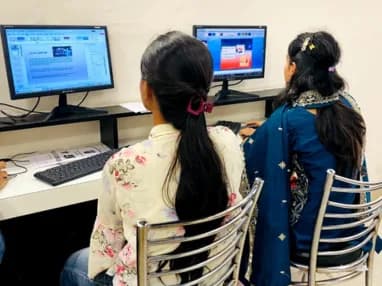
The syllabus is arranged so every module produces an asset rather than a set of notes. You will cover machining & cam fundamentals, 2d milling toolpaths, 3d milling & turning, simulation, g-code & setup, and finish with a live project built on Mastercam, SolidWorks CAM (overview), CNC simulator. Modules run in the order a real project runs: foundations first, then the core skills, then applied work under supervision, then the portfolio and interview preparation that turn all of it into an offer letter.
The working knowledge the job description actually lists.
2D milling toolpaths
The operations most jobs are made of.
2 weeks · 8 sessions
Topics covered
A plate with pockets, contours and tapped holes programmed, simulated and posted for a VMC.
Roughing, rest and finishing toolpaths for a mould cavity, verified against the model.
A stepped, grooved and threaded shaft programmed for a CNC lathe with a setup sheet.
The working loop
Every project moves through the same loop: understand the brief, build with guidance, then explain the decisions behind your work.
Break a real requirement into a clear plan and the right tools.
Milled plate component
Work hands-on with trainer feedback while the decisions are still easy to change.
3D mould cavity
Turn the finished work into a portfolio story you can defend in an interview.
Turned shaft
There are many places to learn this in Phagwara and the brochure syllabus looks similar at all of them. What differs is who teaches, whether you ever touch real work, and whether anyone picks up the phone after you have paid. techcadd has trained students across Punjab since 2016 on the same model: small batches, working practitioners as trainers, client projects as coursework.
Your trainer is not a full-time lecturer. They deliver client projects for techcadd’s services arm, so examples in class are current rather than a case study from five years ago.
You work on genuine client requirements under supervision. This is where a portfolio comes from, and it is the first thing an interviewer asks to see.
Batches stay small enough that a trainer sees your screen daily. Lab time runs outside class hours and doubt sessions continue until the concept lands.
Every student finishes with an industry-recognised certificate and a documented internship on real work, accepted for university industrial training requirements.
Mock interviews, CV reviews and drives with hiring partners across Phagwara, Jalandhar and North India, repeated after a rejection, not abandoned.
A decade of hiring relationships in Punjab is why a call from our placement cell gets answered and why local employers know what our certificate means.
CAM Programming is used every day in tooling & moulds, automotive components, precision machining and agricultural machinery.
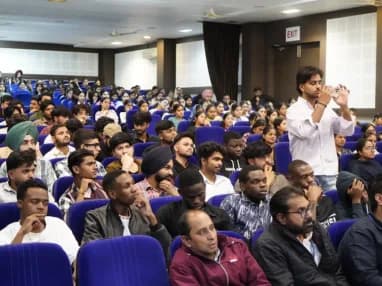
Build skills that hold up beyond the classroom.
What separates this from a playlist of tutorials is supervision on real work. From the second half of the course you build on live client projects with a trainer beside you, make decisions that have consequences, and correct them the following week. That loop is the skill. No employer in Phagwara will take your word for it without work they can inspect.
Be realistic about the money. A fresher who finishes with a working portfolio starts near the bottom of the band and moves quickly; someone who finishes with a certificate and nothing to show does not. The difference is entirely what you built.
The alternative is what most people try first: free videos, a cheap online course, six months of drifting, and knowledge you cannot demonstrate. A structured programme with live projects, a mentor who corrects you, an internship letter and a placement cell that actually calls employers is the difference between knowing the subject and being hired to do it.
Students reach the Phagwara centre from Banga, Nakodar, Kartarpur and the university belt, and the weekend batch exists so a job or a degree does not have to be paused to attend.
Each module ends in a drawing, model or program you complete yourself.
Taught the way design offices and tool rooms pass work from drawing to model to machine.
Small batches and a trainer who checks your work, not just your attendance.
Attend at our Phagwara centre or join the same batch live online.
Drawing sets, 3D models and programs ready to show.
A techcadd Phagwara certificate once you complete the course and its project.
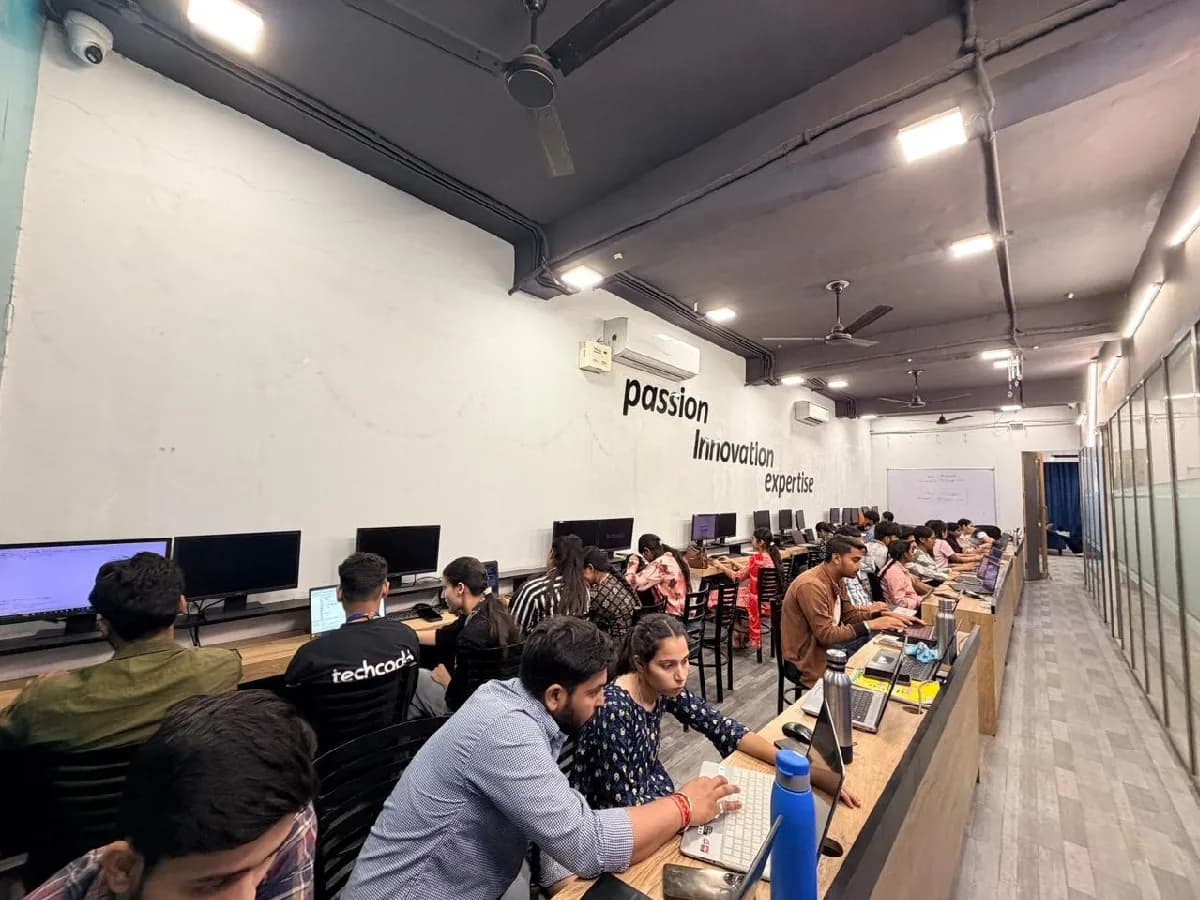
The CAM Programming course is built for people at six different starting points, and the batch is deliberately mixed. What matters far more than your background is turning up consistently and finishing what each module asks you to build.
B.Tech, diploma and ITI students who need the design software their trade uses.
Machinists, fitters and supervisors moving from the machine to the design or programming desk.
Build the portfolio and interview practice that a first role actually asks for.
Weekend batches and 1-on-1 mentoring for people training without taking leave.
Enough hands-on depth to build, brief or evaluate the work yourself.
The toolchain behind the craft
Everything below is installed on the lab machines and used on live client work, not shown once in a slide and forgotten.
Complete the course with a portfolio of live projects and receive an industry-recognised certificate, plus a documented internship letter accepted by Punjab universities.
Recognised by employers across Punjab and beyond
Based on real client work, not a simulation
Live work you can show in any interview
CV review, mock interviews and hiring drives
Two certificates on completion — the course certificate and a separate capstone project certificate.
The roles this opens, what they pay in Punjab and beyond, and who is hiring for them — drawn from published job-market listings on one comparable scale, not a brochure number.
What made it click for me was the lab time. You can sit after class and someone will still explain it until you get it.
I travelled in for the weekend batch and it was worth every trip. Small batch, real work, no time wasted on theory nobody uses.
The course got me interview-ready faster than I expected. My interviewer asked to see my project and that was the whole conversation.
I was switching careers and worried I would be behind. Half the batch was doing the same thing, and nobody made it awkward.
I joined with almost no background and finished with a project I could actually show. The trainer never rushed the basics.
techcadd’s placement cell kept calling me for drives until I was placed. That persistence mattered more than anything else.
It is a manufacturing course at our Phagwara centre on CAM — creating milling and turning toolpaths from a CAD model, simulating them and posting G-code for a CNC machine.
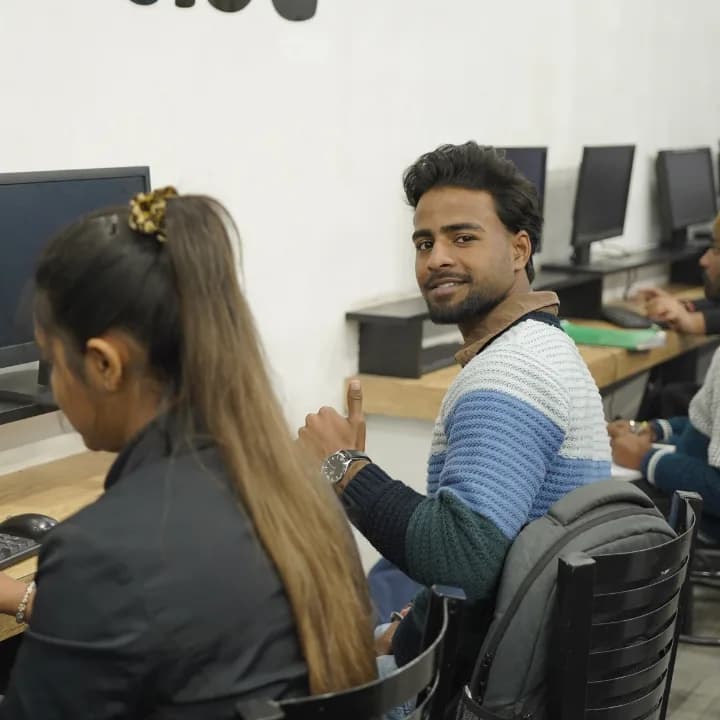
Send your question and a counsellor will call you back about batch timings, fees, EMI options, placement record, or whether this course fits your degree.
One call with a counsellor is usually enough to find out. Book a free demo class and see the lab before you decide.