
Student Record Management System
Build a menu-driven C program to store, search, update, and display student records using structures, functions, and file handling.
- Structures
- Functions
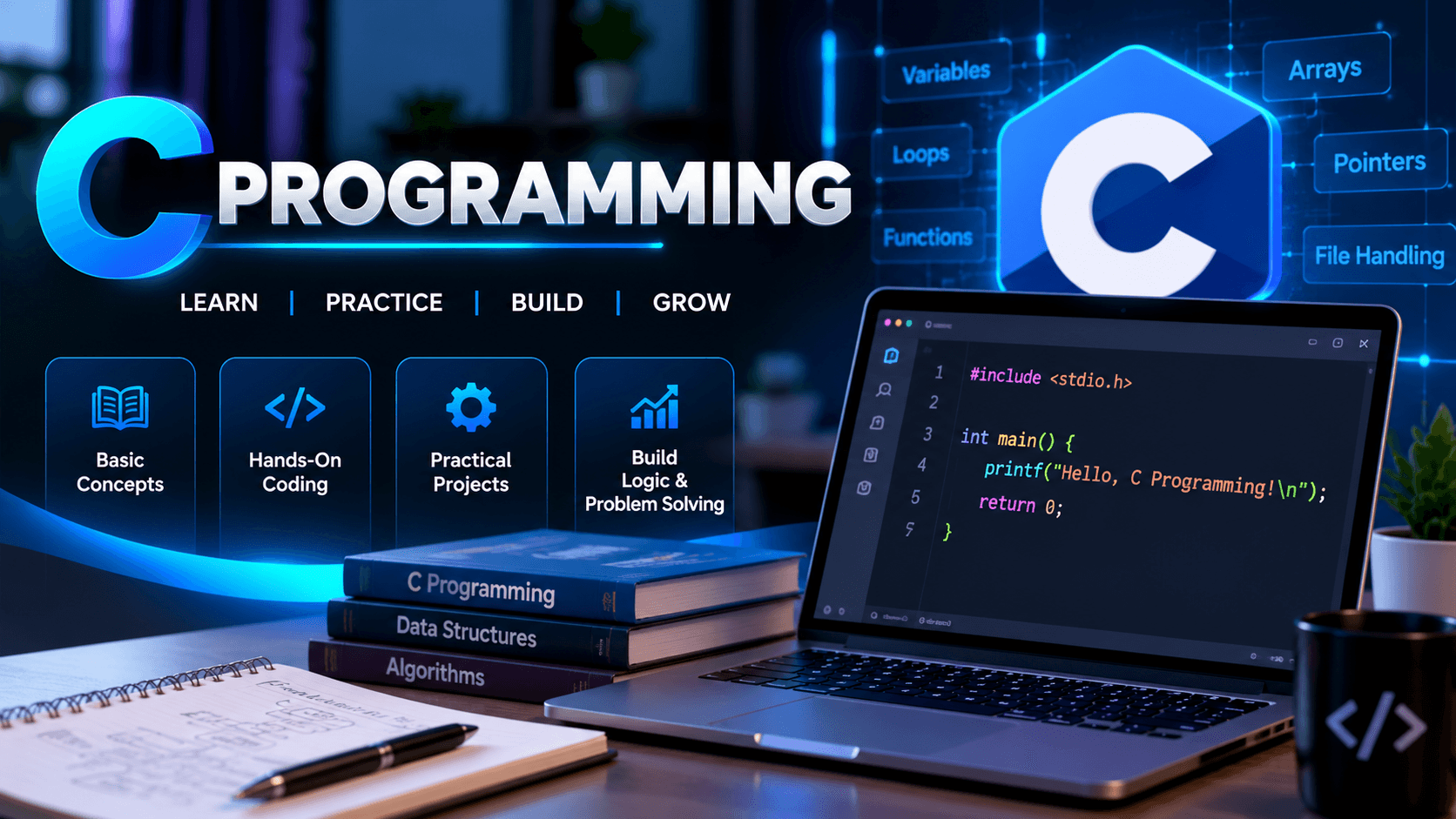
Learn C programming from basics to advanced concepts through hands-on coding, practical exercises, debugging, and mini-projects. Ideal for beginners and students.
Admissions open
Free demo class & counselling
Session slots
The C Programming Course in Phagwara at TechCADD is designed for beginners and students who want to develop a strong foundation in computer programming. Learn essential concepts through structured lessons, practical coding exercises, and instructor-guided training. Explore variables, data types, operators, conditional statements, loops, arrays, strings, functions, pointers, structures, and file handling. Understand how programs work and develop logical thinking by solving programming problems step by step. Gain hands-on experience through coding assignments, debugging exercises, and beginner-friendly projects such as calculators, student record systems, and number-based games. Apply your knowledge by writing, testing, and improving C programs. This course provides a foundation for further learning in data structures, algorithms, C++, and software development. Whether you are a college student or a beginner exploring programming, you can build practical skills and confidence through consistent practice.
Build a menu-driven C program to store, search, update, and display student records using structures, functions, and file handling.
Create a calculator that performs arithmetic operations using functions, operators, and conditional statements.
Develop an interactive game using loops, if-else statements, random number generation, and user input validation.
The working loop
Every project moves through the same loop: understand the brief, build with guidance, then explain the decisions behind your work.
Review the problem statement, identify the requirements, and understand the expected output before writing code.
Student Record Management System
Break the problem into smaller steps and decide which variables, data types, operators, conditions, loops, or functions are needed.
Calculator Using C
Implement the solution in C using a suitable code editor or compiler, following correct syntax and programming practices.
Number Guessing Game
Run the program, identify syntax or logical errors, and correct them through testing and debugging.
Test different inputs, verify the output, handle basic edge cases, and improve the program's clarity and reliability.
Apply the concepts learned to a practical project, document the program, and explain how the solution works.
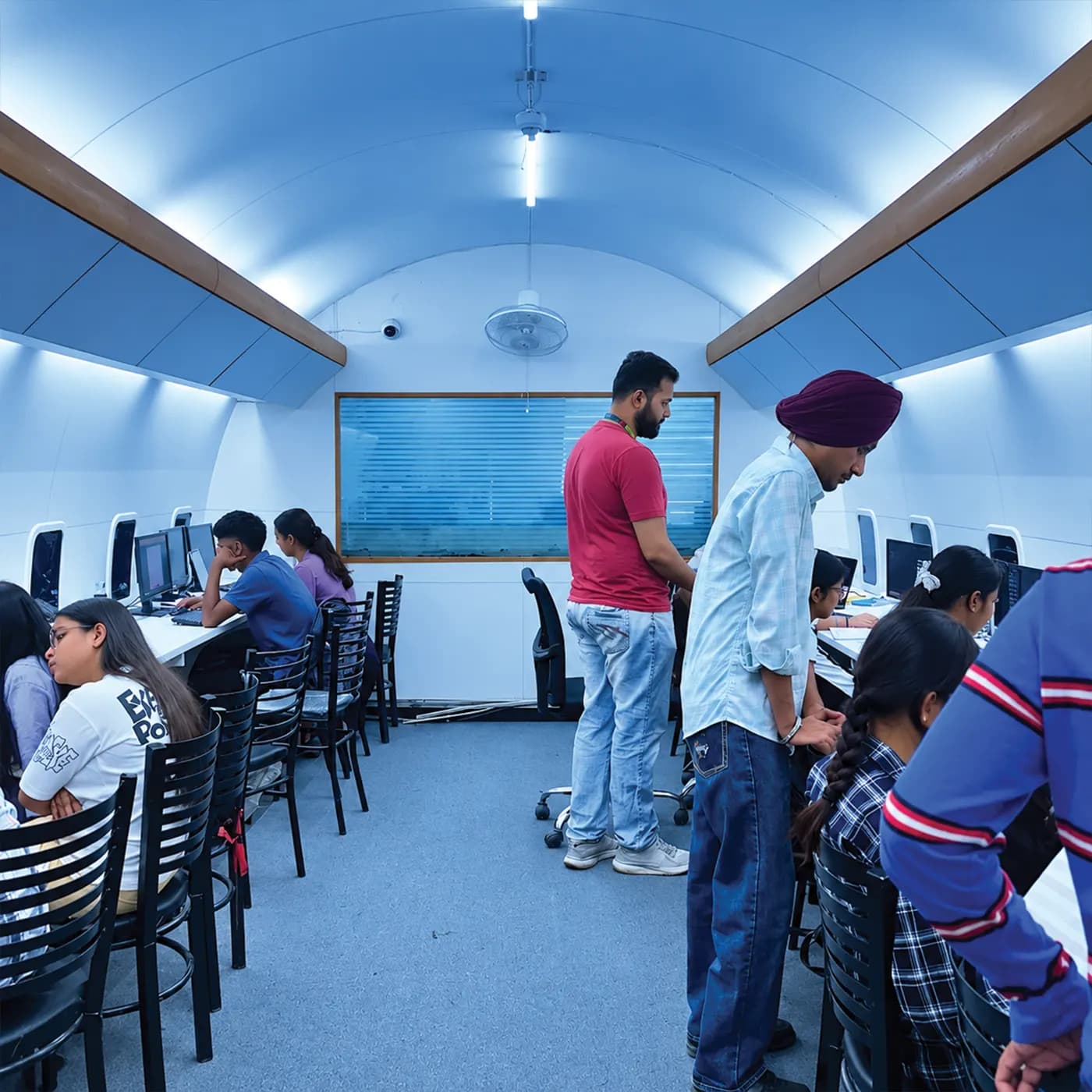
There are many places to learn this in Phagwara and the brochure syllabus looks similar at all of them. What differs is who teaches, whether you ever touch real work, and whether anyone picks up the phone after you have paid. techcadd has trained students across Punjab since 2016 on the same model: small batches, working practitioners as trainers, client projects as coursework.
Learn C programming through live coding demonstrations, regular practice exercises, debugging activities, and beginner-friendly projects.
Start with basic programming concepts and gradually progress to loops, arrays, functions, pointers, and file handling with guided instruction.
Apply your knowledge by developing small C programs such as calculators, number games, and student record management systems.
Get guidance while practising code, understanding errors, and improving your programming logic throughout the learning process.
Develop foundational skills that support further learning in C++, data structures, algorithms, embedded systems, and software development.
Local IT companies, software development firms, startups, and technical service providers value C programming fundamentals for entry-level technical roles and candidates progressing toward software development.
Build skills that hold up beyond the classroom.
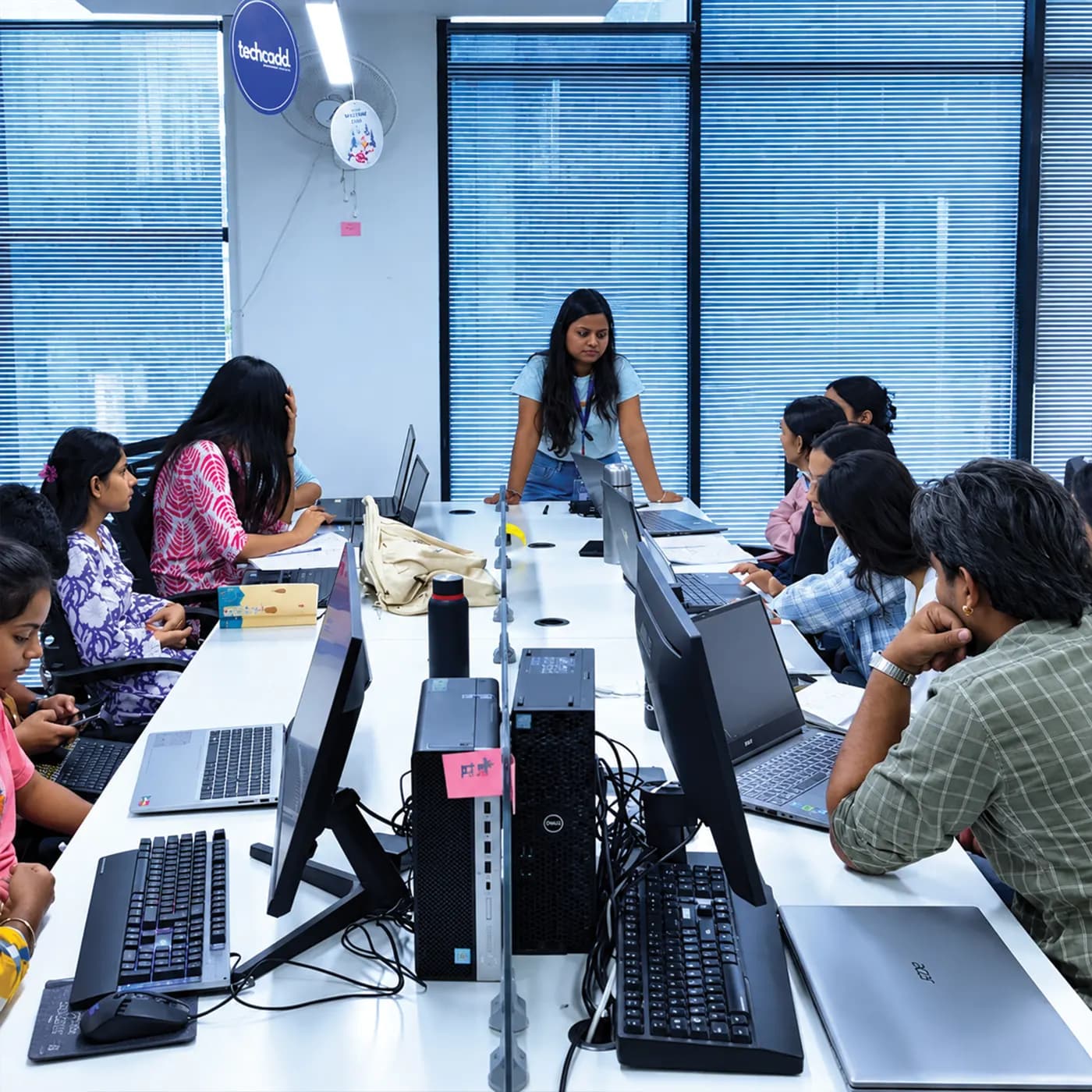
What separates this from a playlist of tutorials is supervision on real work. From the second half of the course you build on live client projects with a trainer beside you, make decisions that have consequences, and correct them the following week. That loop is the skill. No employer in Phagwara will take your word for it without work they can inspect.
Be realistic about the money. A fresher who finishes with a working portfolio starts near the bottom of the band and moves quickly; someone who finishes with a certificate and nothing to show does not. The difference is entirely what you built.
The alternative is what most people try first: free videos, a cheap online course, six months of drifting, and knowledge you cannot demonstrate. A structured programme with live projects, a mentor who corrects you, an internship letter and a placement cell that actually calls employers is the difference between knowing the subject and being hired to do it.
Students reach the Phagwara centre from Banga, Nakodar, Kartarpur and the university belt, and the weekend batch exists so a job or a degree does not have to be paused to attend.
Practise writing, compiling, and debugging C programs to build confidence with programming fundamentals.
Apply your knowledge by building beginner-friendly projects such as calculators, number games, and student record systems.
Understand variables, loops, arrays, functions, pointers, and other essential C programming concepts.
Develop logical thinking by solving coding challenges and learning to identify and correct programming errors.
Prepare for further learning in data structures, algorithms, C++, and other programming technologies.
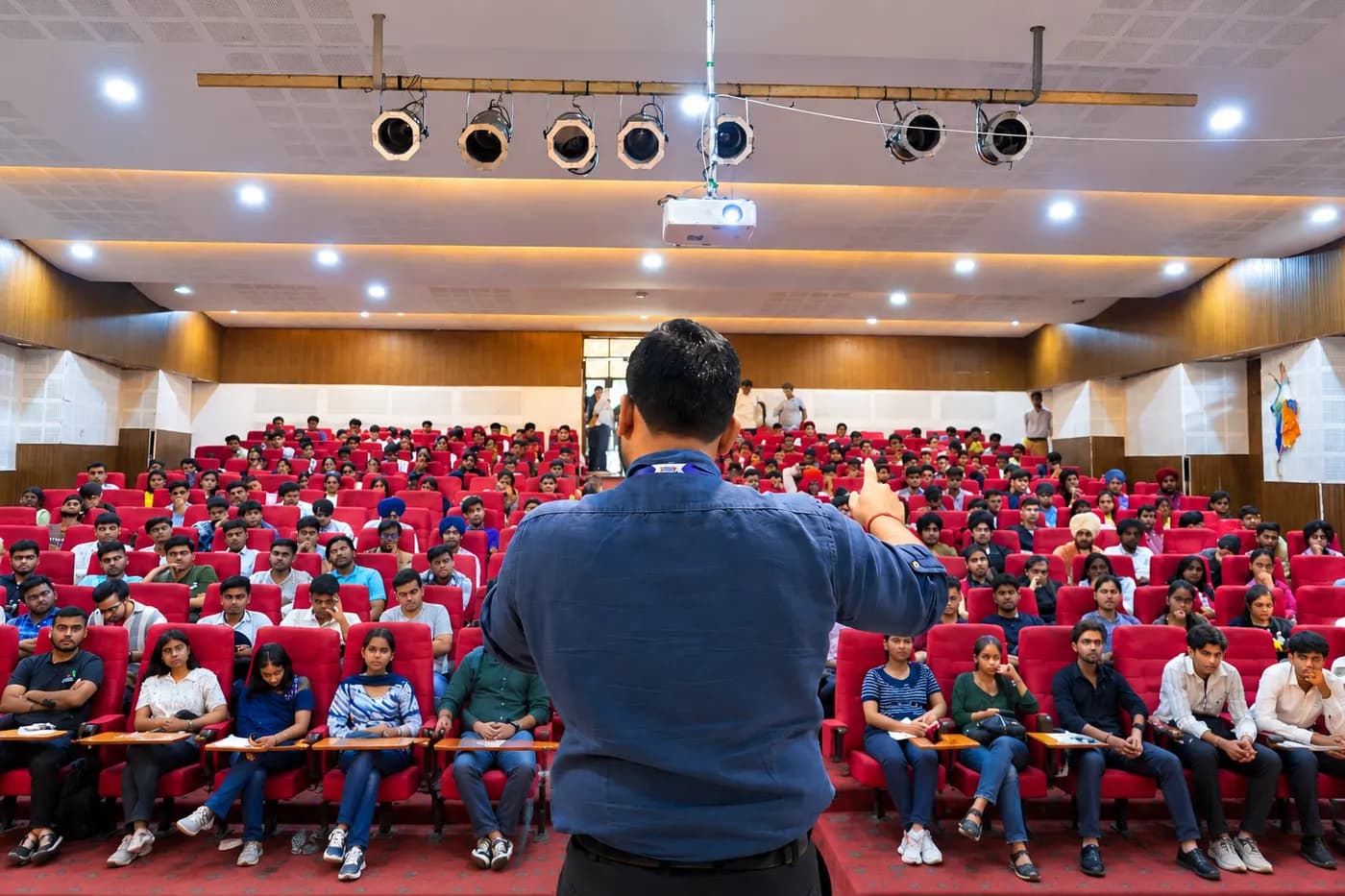
The C Programming Classes in Phagwara course is built for people at six different starting points, and the batch is deliberately mixed. What matters far more than your background is turning up consistently and finishing what each module asks you to build.
Students who want to learn programming from scratch and build a strong foundation for computer science and technical studies.
Students looking to strengthen their understanding of programming fundamentals, practise coding, and support their academic learning.
Learners with no prior coding experience who want step-by-step guidance in writing, testing, and debugging C programs.
Individuals who want to develop logical thinking, solve programming problems, and prepare for further learning in C++, data structures, and software development.
The toolchain behind the craft
Everything below is installed on the lab machines and used on live client work, not shown once in a slide and forgotten.
Complete the course with a portfolio of live projects and receive an industry-recognised certificate, plus a documented internship letter accepted by Punjab universities.
Recognised by employers across Punjab and beyond
Based on real client work, not a simulation
Live work you can show in any interview
CV review, mock interviews and hiring drives
Two certificates on completion — the course certificate and a separate capstone project certificate.
The roles this opens, what they pay in Punjab and beyond, and who is hiring for them — drawn from published job-market listings on one comparable scale, not a brochure number.
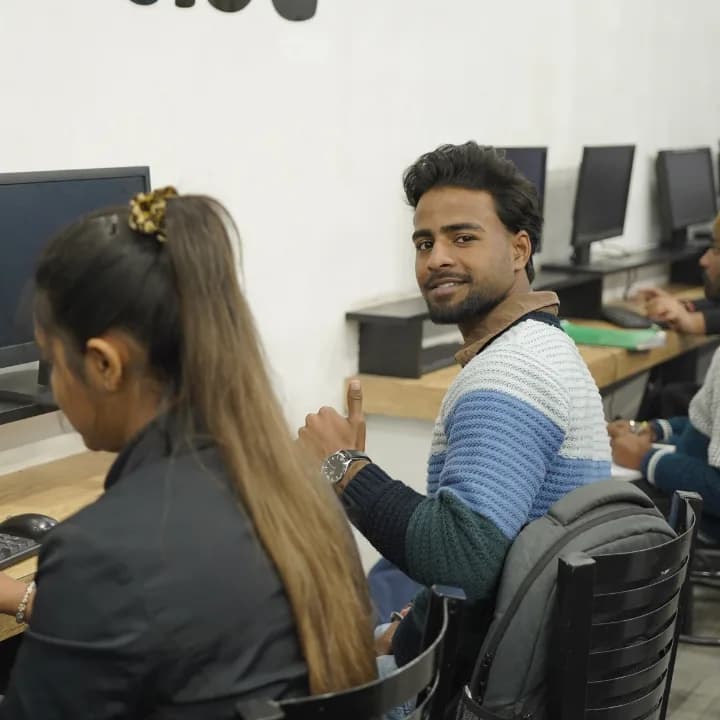
Send your question and a counsellor will call you back about batch timings, fees, EMI options, placement record, or whether this course fits your degree.
One call with a counsellor is usually enough to find out. Book a free demo class and see the lab before you decide.